
tempered glass wholesale
Understanding Taper Gauges A Focus on Taper Gauge 1 15mm Taper gauges are essential tools in various industries, especially in metalworking, woodworking, and engineering. They serve as precise measurement instruments that help professionals and hobbyists achieve accurate readings in their projects. Among the various types of taper gauges available, the Taper Gauge 1 15mm stands out due to its unique specifications and broad range of applications. In this article, we will delve into the significance of taper gauges, explore the specific features of the Taper Gauge 1 15mm, and discuss its practical applications and benefits. What is a Taper Gauge? A taper gauge is a tool used to measure the reflected dimensions of tapered surfaces, such as those found in machinery parts or tools. Unlike standard straight measuring tools, taper gauges are designed to accommodate the gradual change in diameter along a length, allowing for more accurate readings. This characteristic makes them indispensable in settings where tapered parts are prevalent. Taper gauges typically have a series of graduated markings that indicate specific measurements, making it easy for users to gauge size and depth. Features of the Taper Gauge 1 15mm The Taper Gauge 1 15mm provides a reliable and practical solution for measuring tapered dimensions. Here are some of its notable features 1. Design and Construction The Taper Gauge 1 15mm has a robust construction that ensures durability and longevity. It is typically made of high-grade stainless steel or hardened tools steel, allowing it to withstand rigorous use without compromising accuracy. The gauge is designed with a tapered end that can easily fit into narrow or confined spaces, facilitating precise measurements. 2. Graduated Markings The gauge features clear, graduated markings, often in both metric and imperial units, which helps users easily interpret measurements. This dual scale is beneficial in diverse industries where different measurement systems are used. 3. Precision Measurement With a taper length of 15mm, this gauge is ideal for reaching detailed areas of various components. Its design ensures that users can accurately measure angles and profile shapes, offering precision that is crucial in engineering and assembly work. taper gauge 1 15mm 4. Portability The Taper Gauge 1 15mm is lightweight and compact, making it easy for professionals to carry it to job sites or keep it in toolboxes. This portability ensures that precise measurements are always accessible, enhancing workflow efficiency. Practical Applications of the Taper Gauge 1 15mm The Taper Gauge 1 15mm proves useful in numerous applications across different fields 1. Engineering and Manufacturing In these sectors, taper gauges are critical for quality control. Engineers use taper gauges to verify that parts meet specifications before assembly. Ensuring that components fit together correctly prevents errors later in the manufacturing process, minimizing waste and increasing productivity. 2. Woodworking Woodworkers frequently use taper gauges when shaping wood or constructing furniture. The taper is essential in creating joints and ensuring that pieces align correctly. Accurate measurements lead to better-fitting pieces, resulting in higher-quality craftsmanship. 3. Tool Maintenance Maintenance professionals utilize taper gauges to gauge wear on tools and machinery. Regular checks using taper gauges help identify issues early, allowing for timely maintenance and repairs. 4. Education and Training The Taper Gauge 1 15mm can also serve as a teaching tool in vocational training programs. By using such gauges, students can learn the importance of precision in measurements and develop skills that will be vital in their future careers. Conclusion The Taper Gauge 1 15mm is a vital tool that epitomizes precision measurement. Its durability, accurate graduations, and ease of use make it an indispensable asset across many industries. Whether in engineering, woodworking, or tool maintenance, taper gauges play a critical role in ensuring that projects meet the highest standards. Understanding and utilizing tools like the Taper Gauge 1 15mm ensures better quality control and craftsmanship, ultimately contributing to the success of various endeavors. As industries continue to evolve, the significance of precision instruments like taper gauges will remain paramount in achieving excellence.
about
tempered glass wholesale
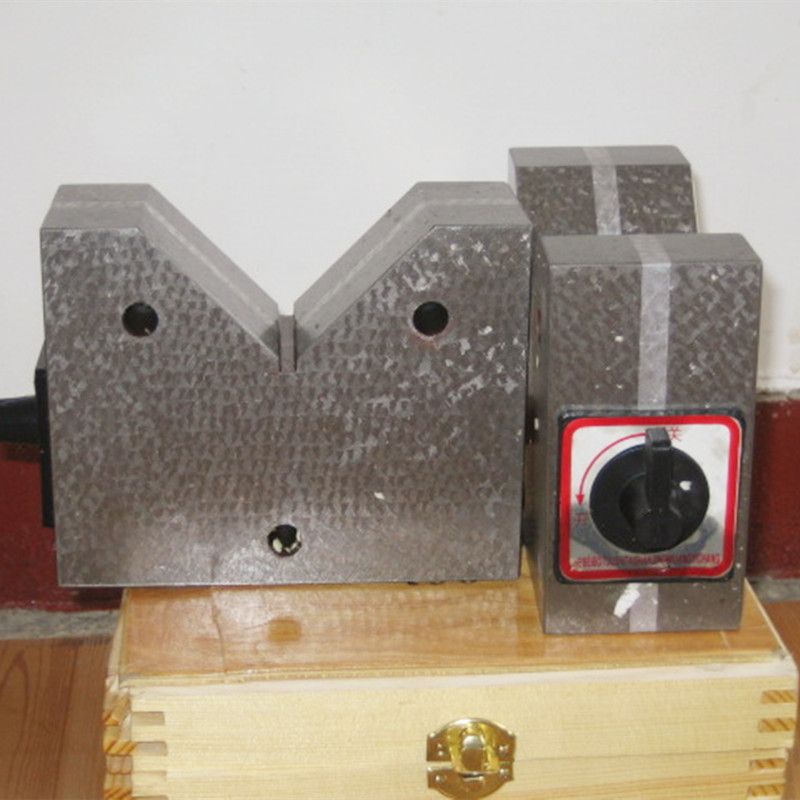
The Plain vs. Block Debate An Exploration of Simplicity and Structure in Design In the realms of design and architecture, the concepts of plain and block often surface in discussions about aesthetics, functionality, and user experience. Each term carries its own connotations and evokes distinct philosophies, shaping the way designers approach their projects. This article delves into the dichotomy between plain design—characterized by simplicity and minimalism—and block design, noted for its structure and multifaceted forms. Understanding Plain Design At its core, plain design champions minimalism. It revolves around the idea that less is more, where simplicity takes precedence over embellishment. This approach focuses on clean lines, neutral colors, and a lack of unnecessary ornamentation. The motivations behind plain design include a desire for clarity and the elimination of distraction. Designers who adopt this style aim to create spaces and objects that allow users to engage fully with the essential function without being overwhelmed by visual noise. One of the most prevalent examples of plain design can be seen in Scandinavian design philosophy. Pioneers such as Alvar Aalto and Arne Jacobsen emphasized the importance of functionality while embracing simplicity. Their work demonstrates how a plain aesthetic can lead to emotional warmth and a connection to natural materials. Furthermore, the rise of minimalism in modern architecture and interior design reflects a broader cultural shift towards mindfulness and intentional living. The Appeal of Block Design On the other end of the spectrum lies block design, which often emphasizes structure and solidity. Block design is characterized by geometric shapes, bold forms, and a stronger presence. This style can create a sense of security and permanence, appealing to those who value robustness in their surroundings. Block design often incorporates materials such as concrete, steel, and glass, aligning with contemporary architectural trends that highlight urban environments and industrial aesthetics. plain v block Block design can be seen in various applications, from urban planning to product design. Skyscrapers like the Willis Tower in Chicago exhibit block characteristics through their towering forms that dominate city skylines, while modular furniture designs use block principles to create versatile, functional pieces. The emphasis on substantiality and versatility reflects a growing need for designs that can adapt to various uses while maintaining their structural integrity. Contrasting Philosophies The core difference between plain and block design lies in their underlying philosophies. Plain design seeks to strip away the superfluous to emphasize clarity and ease of use. It believes that the essence of a space or object should speak for itself, with an emphasis on the materials and craftsmanship. In contrast, block design embraces complexity and structure, often inviting users to engage with a multifaceted experience. Both approaches have their merits, and the choice between them often depends on the context of the project and the intended audience. Hybrid Approaches Rather than viewing plain and block design as mutually exclusive, many contemporary designers adopt hybrid approaches that incorporate elements of both styles. This fusion allows for creativity while also fulfilling functional requirements. For example, a building may feature a plain, minimalist facade but utilize block-like structures inside for spatial division and functionality. Such blends can result in innovative designs that cater to varying user preferences and needs. Conclusion The debate between plain and block design encapsulates a broader conversation about the role of aesthetics in our lives. Whether we lean towards the serenity of minimalism or the strength of structured forms, understanding the implications of our design choices can lead to more thoughtful creations. Ultimately, the dialogue between simple and substantial informs not just the built environment but also how we interact with the world around us, guiding us toward spaces that reflect our values and enhance our experiences. As we navigate this balance, we can appreciate the beauty in both plain and block designs, recognizing that each has its place in the tapestry of human creativity.
-

High quality industrial productsagement

High quality industrial products
View Details -

Meet the diverse needs of customers

Meet the diverse needs of customers
View Details -

Strict quality control

Strict quality control
View Details -

Top raw materials

Top raw materials
View Details -

Trusted supplier

Trusted supplier
View Details
Our application

news and information
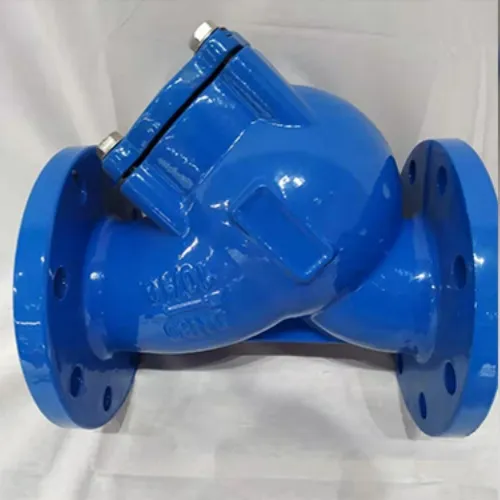
Y Strainer PN16 Specifications and Applications for Fluid Filtration Systems
Understanding the Y Strainer PN16 An Overview In industrial piping systems, ensuring the efficient f
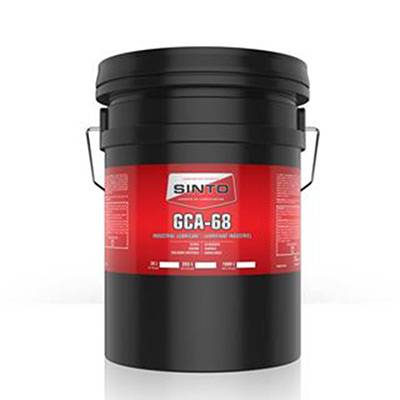
Using a Spirit Level for Accurate Measurements in Construction and DIY Projects
Understanding the Spirit Level A Essential Tool in Precision Measurement The spirit level, an instru

v block design
Exploring the V-Block Design A Revolutionary Approach in Architecture In the ever-evolving landscape
 English